-
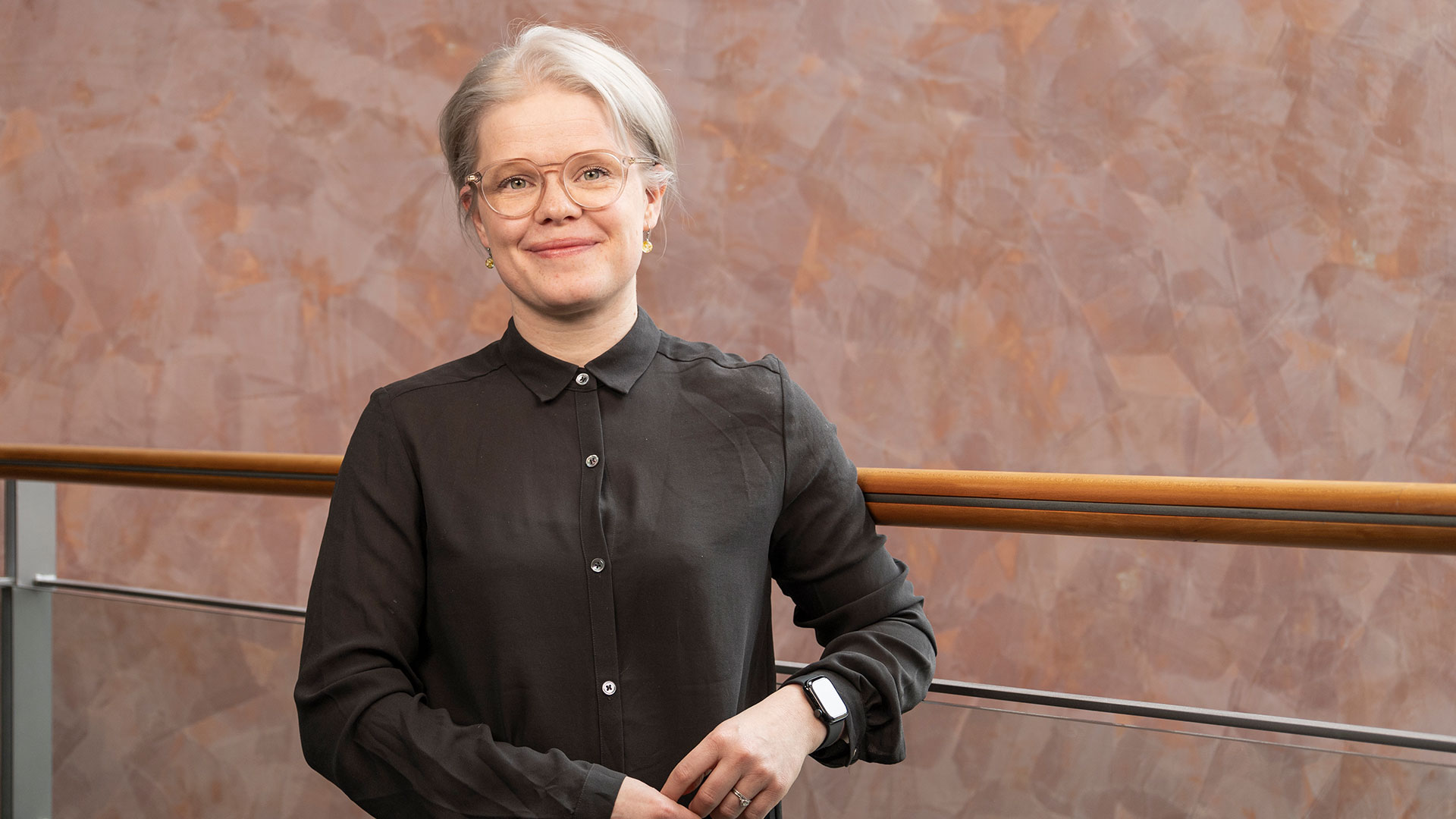
“Opportunities to build something new this hands-on in central government are rare” »
At the Ministry of Social Affairs and Health, Laura Kuusio is developing new ways to strengthen the participation of children and young people.
-
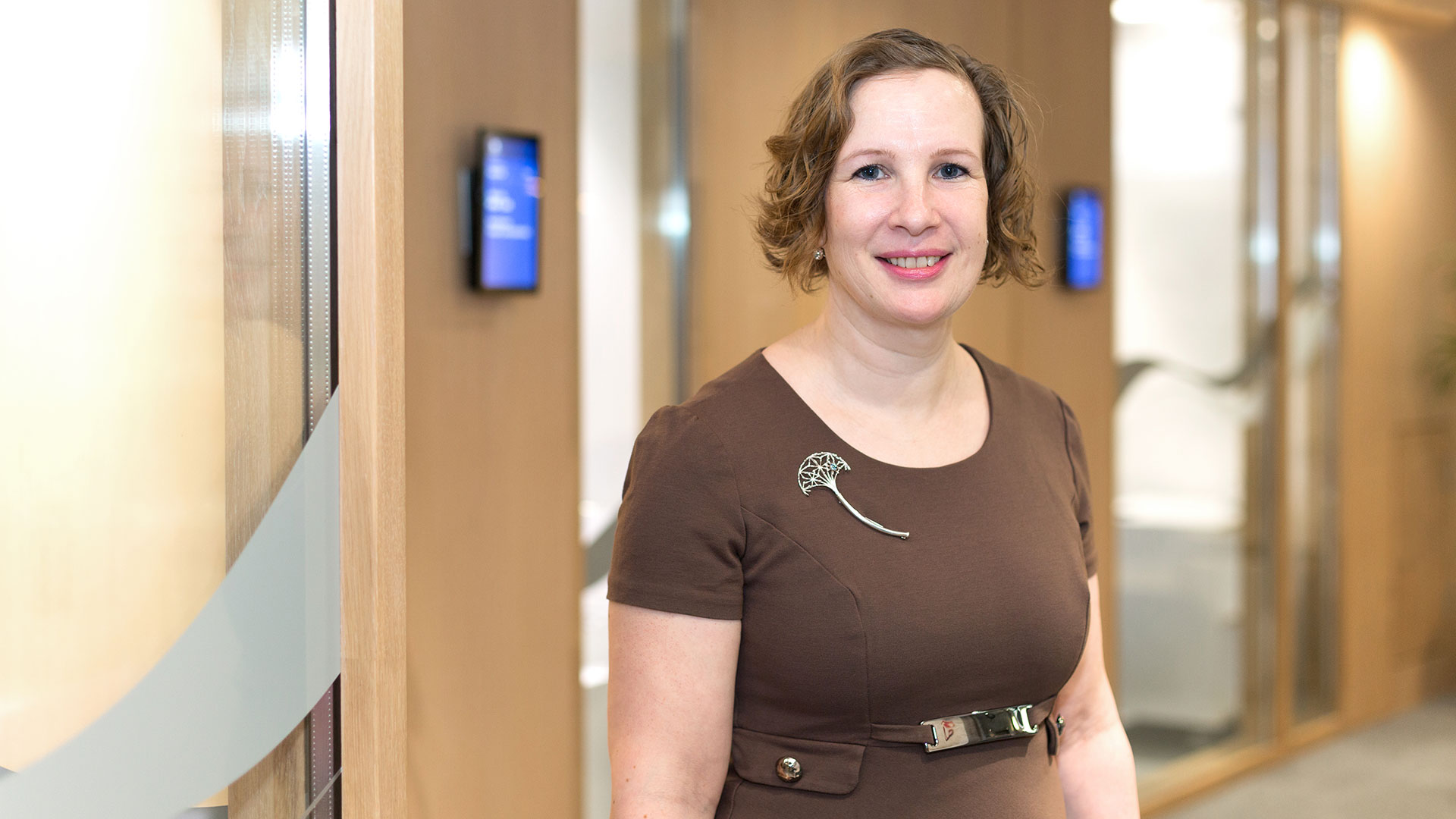
Teija Inkilä develops digital solutions at the ministry that have also been presented in Europe and China.
-
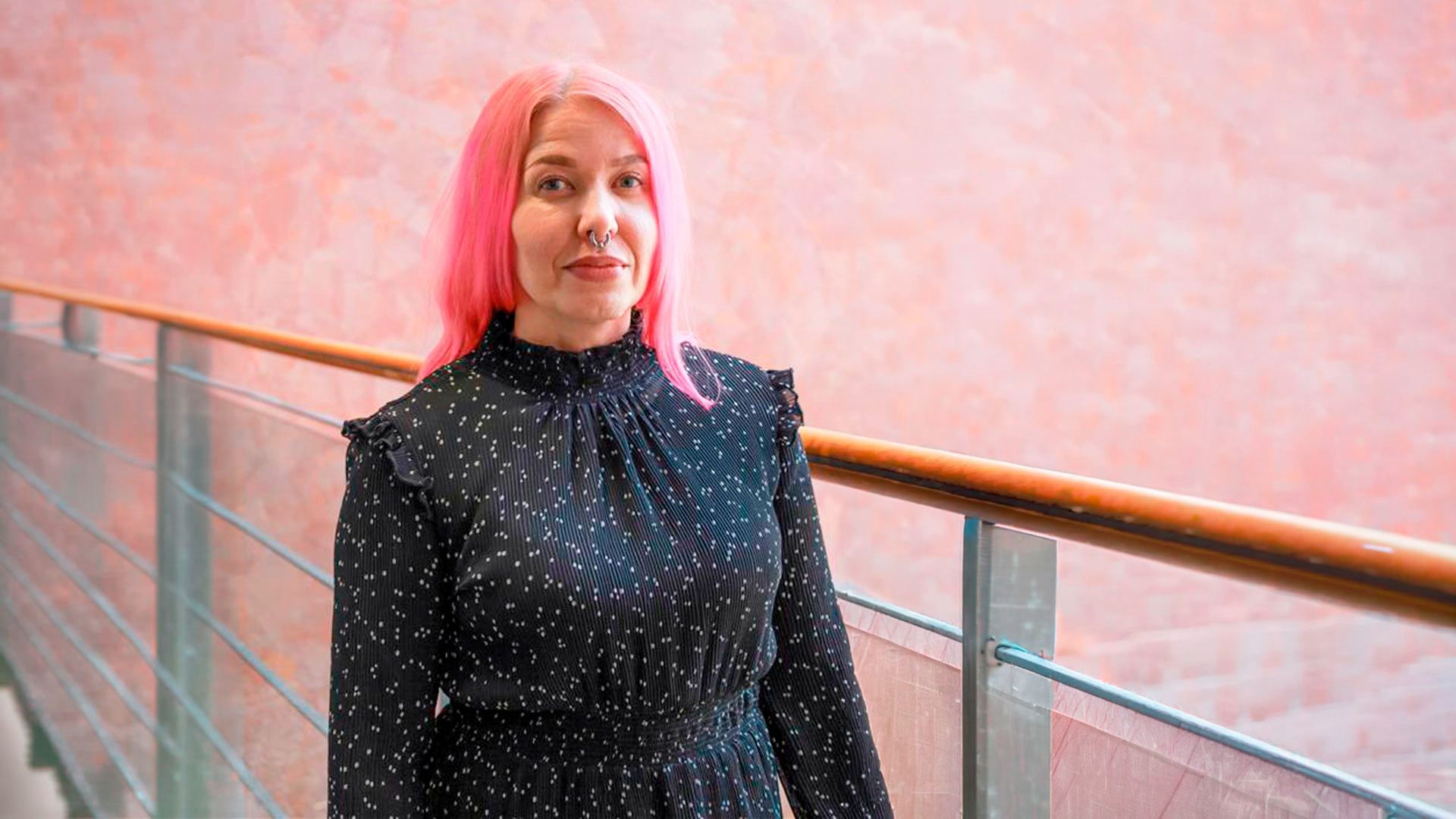
“A career path can start in unexpected places – mine began as a Habbo Hotel moderator” »
Taina Pahkamaa-Huusko keeps everyday operations running smoothly for the ministry’s leadership, from meetings to ministerial working groups.
-
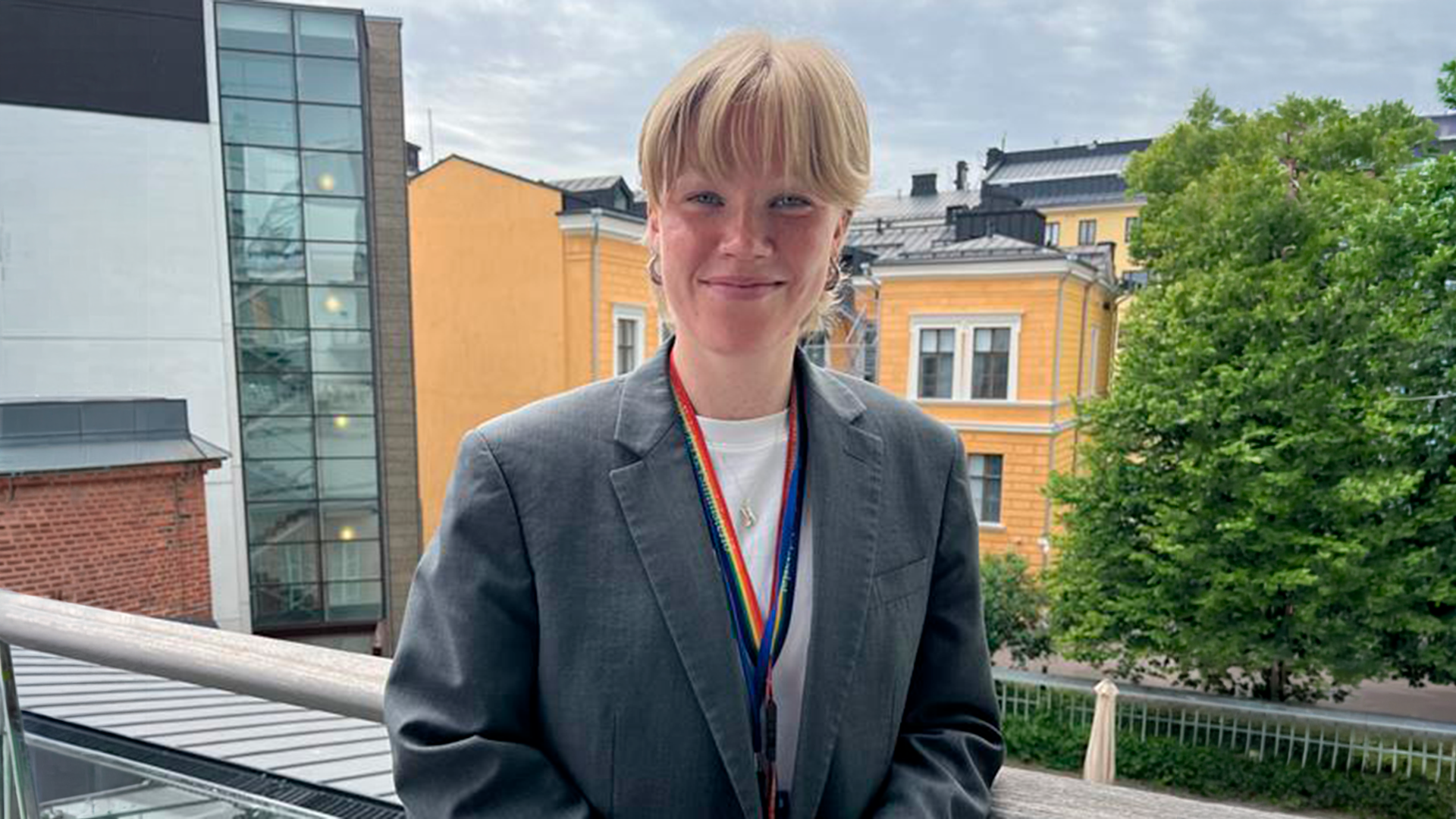
“You rarely get such a close view of how decisions are communicated” »
As an intern, Neea Hassinen had a front-row view of how government decisions are communicated within public administration.
-
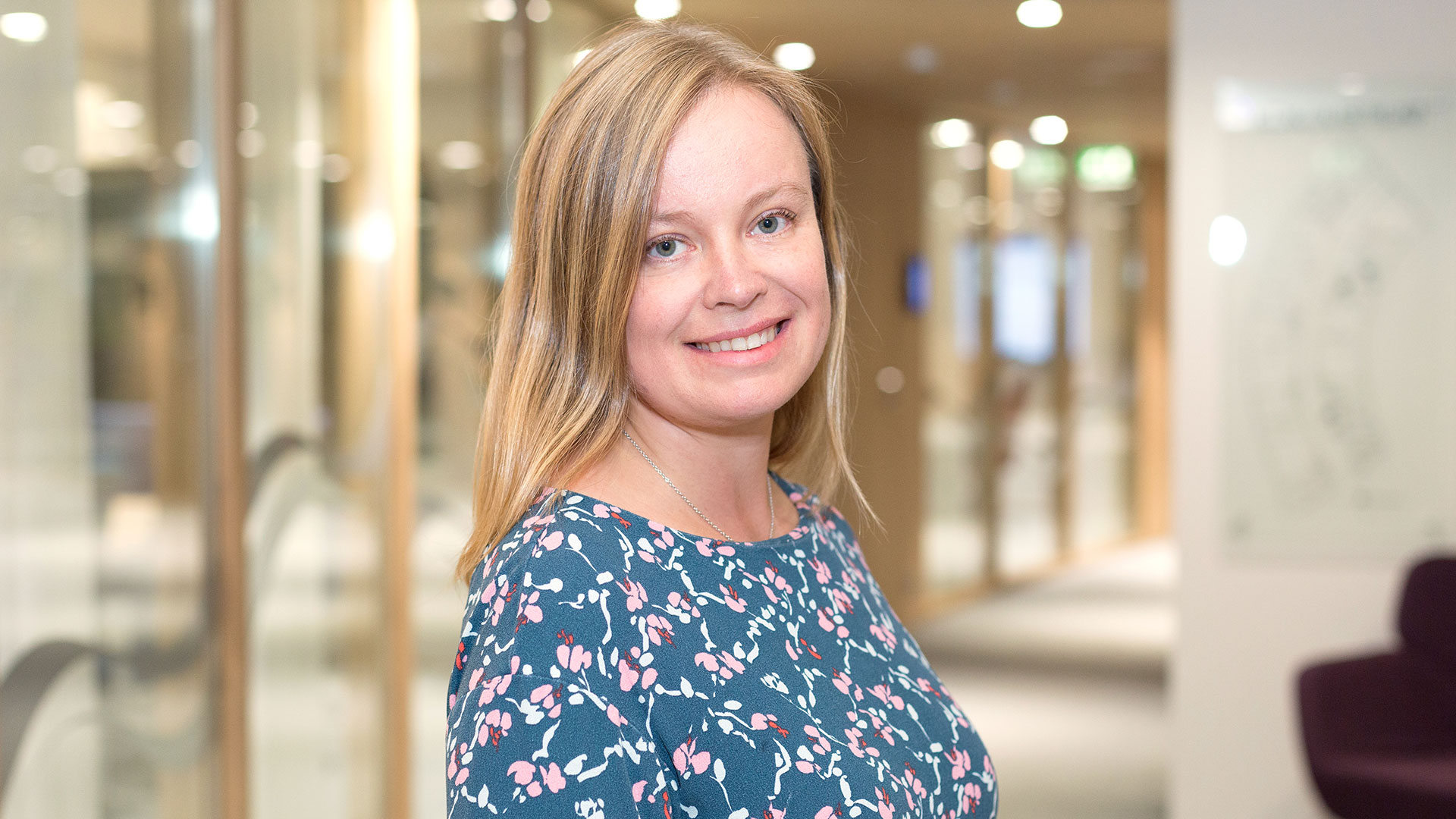
“I see myself as a kind of democracy warrior” »
At the ministry, Liisa Siika-aho works on finding solutions to complex social security issues within the boundaries of political decision-making.
-
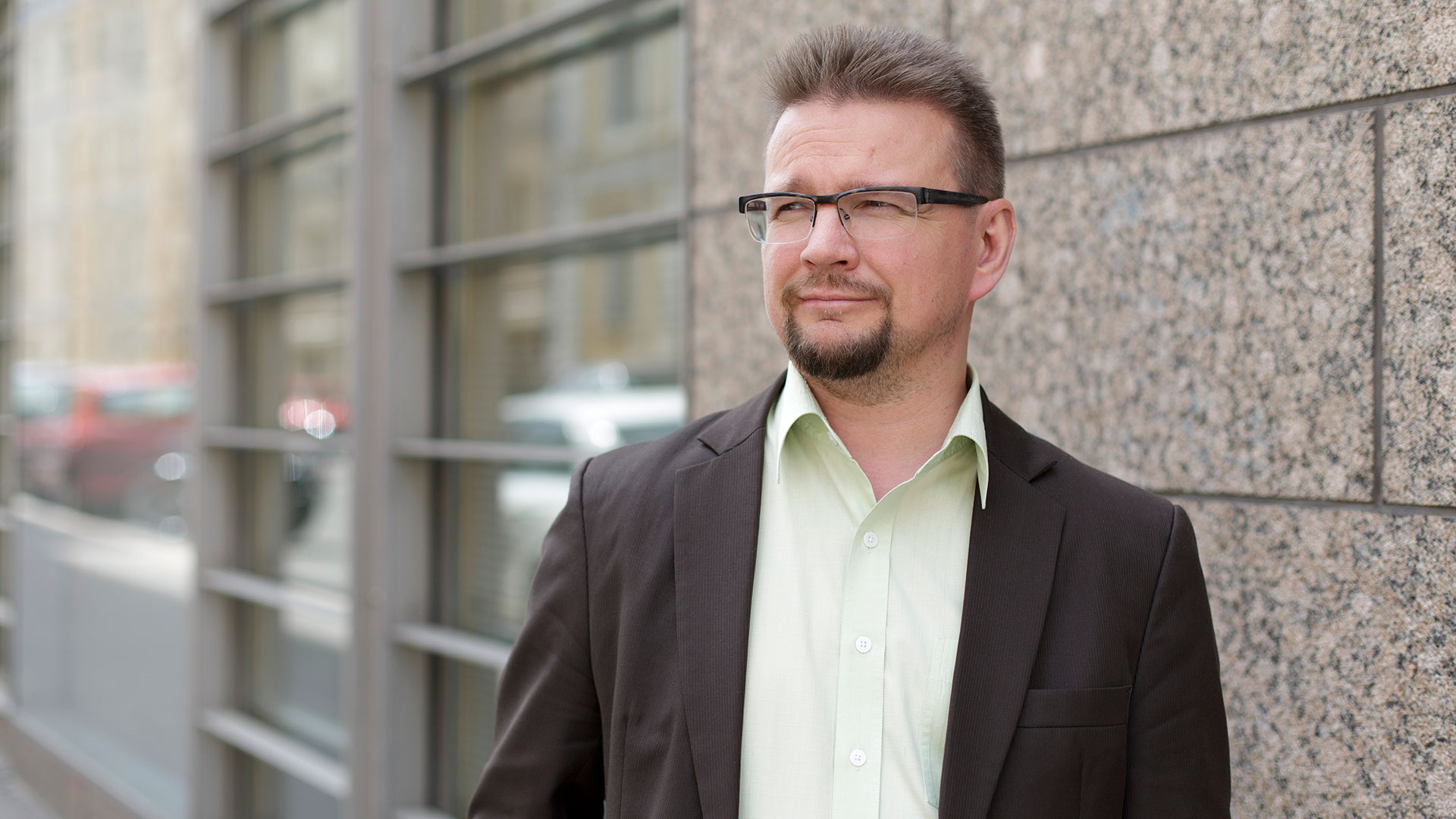
“What matters most is the people and how well they work together” »
Jari Keinänen has built a career of more than 25 years at the ministry. The sense of community has kept him there.
-
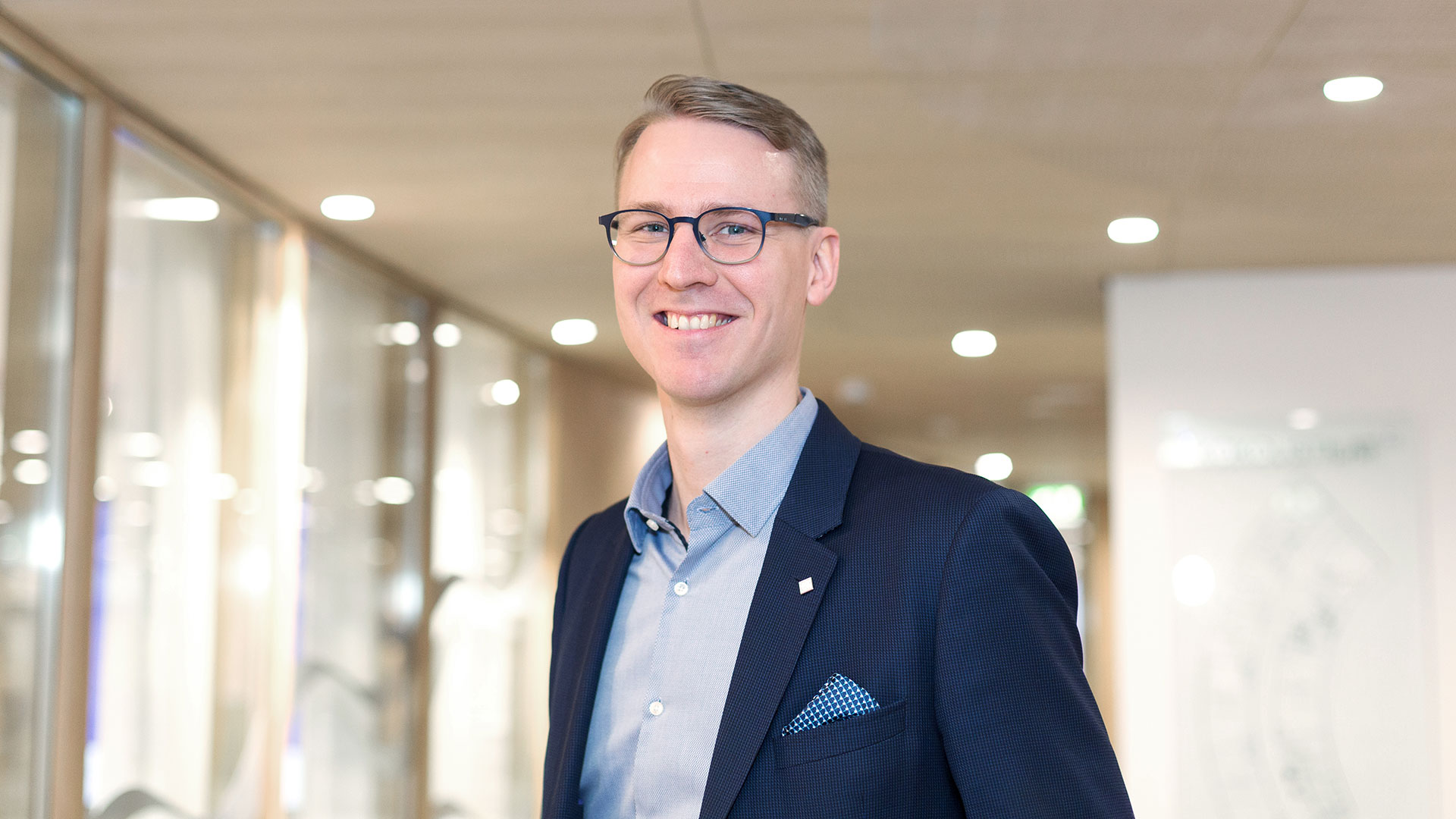
“At the ministry, I can bring together different parts of my studies in a remarkable way” »
Jere Päivinen’s work takes social security issues from the ministry to EU negotiations and international agreements.
-
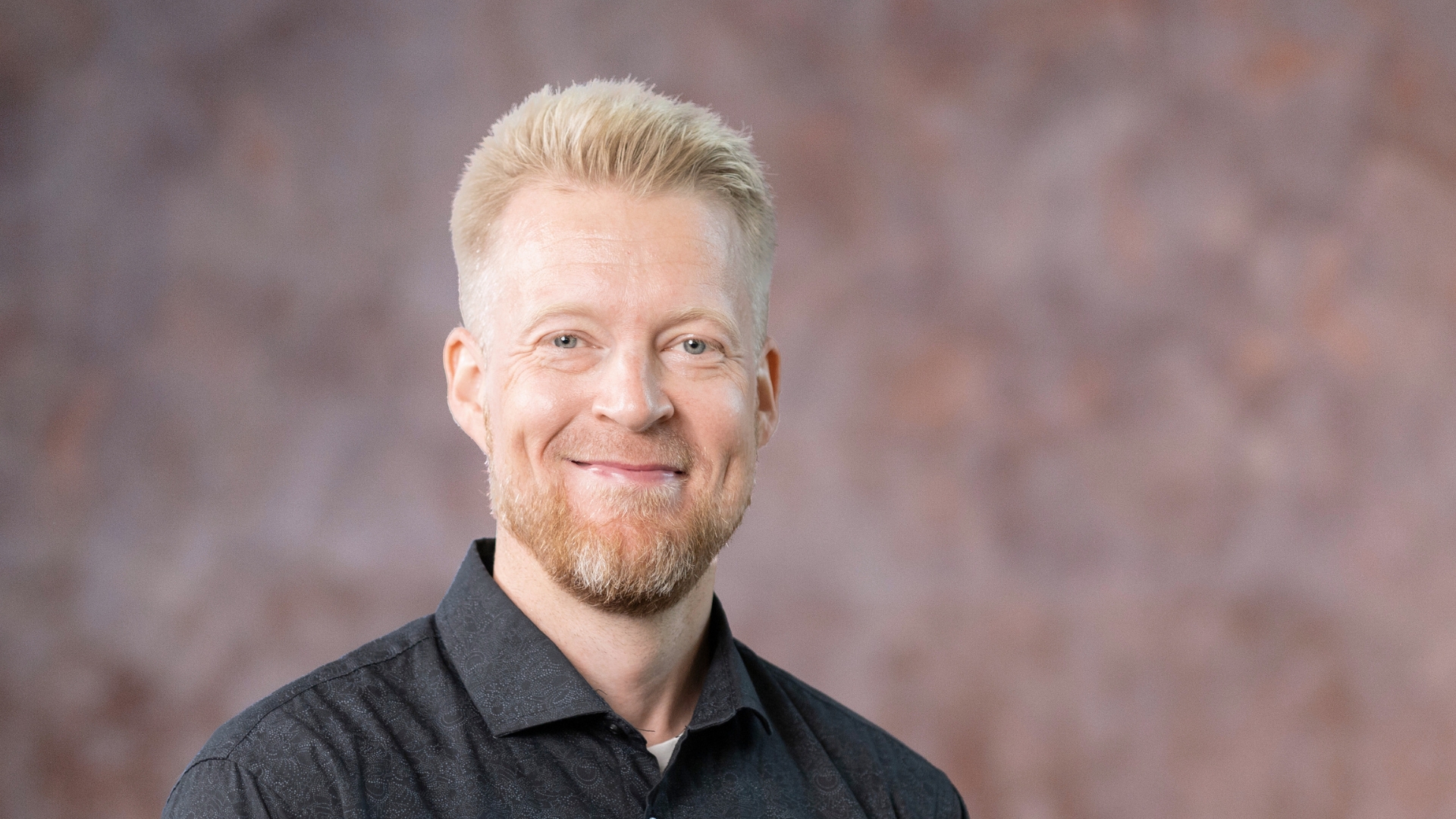
“The Ministry of Social Affairs and Health deals with issues that affect people’s daily lives” »
Jani Osolanus works in visual communications at the Ministry of Social Affairs and Health, creating materials that help make complex societal issues easier to understand.
Valitse kieli:
This page is in Finnish. Go to the English site »
Or choose language:
Den här sidan är på finska. Gå till den svenska versionen av sidan »
Eller välj språk:
Dát siidu lea suomagillii Sirdás davvisámegielat siidduide »
Dehe vállje giela:
Taat sijđo lii suomâkielân Sirduu anarâškielâlijd sijđoid »
Tâi valjii kielâ:
Tät seidd lij lääʹddǩiõʹlle Sirddu lääʹddǩiõllsaž seiddõʹsse »
Leʹbe vaʹlljed ǩiõl:
Язык этого сайта финский. Перейти на русскоязычный сайт »
Или выберите язык:
Cette page est en finnois. Aller sur le site en français »
Ou choisir la langue:
Diese Seite ist auf Finnisch. Wechseln Sie zur deutschen Version »
Oder wählen Sie Ihre Sprache:
Tämä sivu on englanniksi. Siirry suomenkieliseen sivustoon »
Tai valitse kieli:
Choose language:
Den här sidan är på engelska. Gå till den svenska versionen av sidan »
Eller välj språk:
Dát siidu lea eŋgelasgillii Sirdás davvisámegielat siidduide »
Dehe vállje giela:
Taat sijđo lii eŋgâlâskielân Sirduu anarâškielâlijd sijđoid »
Tâi valjii kielâ:
Tät seidd lij eŋgglõsǩiõʹlle Sirddu lääʹddǩiõllsaž seiddõʹsse »
Leʹbe vaʹlljed ǩiõl:
Язык этого сайта английский. Перейти на русскоязычный сайт »
Или выберите язык:
Cette page est en anglais. Aller sur le site en français »
Ou choisir la langue:
Diese Seite ist auf Englisch. Wechseln Sie zur deutschen Version »
Oder wählen Sie Ihre Sprache:
Tämä sivu on ruotsiksi. Siirry suomenkieliseen sivustoon »
Tai valitse kieli:
This page is in Swedish. Go to the English site »
Or choose language:
Välj språk:
Dát siidu lea ruoŧagillii Sirdás davvisámegielat siidduide »
Dehe vállje giela:
Taat sijđo lii ruotâkielân Sirduu anarâškielâlijd sijđoid »
Tâi valjii kielâ:
Tät seidd lij ruõccǩiõʹlle Sirddu lääʹddǩiõllsaž seiddõʹsse »
Leʹbe vaʹlljed ǩiõl:
Язык этого сайта шведский. Перейти на русскоязычный сайт »
Или выберите язык:
Cette page est en suédois. Aller sur le site en français »
Ou choisir la langue:
Diese Seite ist auf Schwedisch. Wechseln Sie zur deutschen Version »
Oder wählen Sie Ihre Sprache:
Tämä sivu on pohjois-saameksi. Siirry suomenkieliseen sivustoon »
Tai valitse kieli:
This page is in North Saami. Go to the English site »
Or choose language:
Den här sidan är på nordsamiska. Gå till den svenska versionen av sidan »
Eller välj språk:
Vállje giela:
Taat sijđo lii tavesämikielân Sirduu anarâškielâlijd sijđoid »
Tâi valjii kielâ:
Tät seidd lij tâʹvvsääʹmǩiõʹlle Sirddu lääʹddǩiõllsaž seiddõʹsse »
Leʹbe vaʹlljed ǩiõl:
Язык этого сайта северосаамский. Перейти на русскоязычный сайт »
Или выберите язык:
Cette page est en same du Nord. Aller sur le site en français »
Ou choisir la langue:
Diese Seite ist auf Nordsamisch. Wechseln Sie zur deutschen Version »
Oder wählen Sie Ihre Sprache:
Tämä sivu on inarinsaameksi. Siirry suomenkieliseen sivustoon »
Tai valitse kieli:
This page is in Inari Sámi. Go to the English site »
Or choose language:
Den här sidan är på enaresamiska. Gå till den svenska versionen av sidan »
Eller välj språk:
Dát siidu lea anárašgillii Sirdás davvisámegielat siidduide »
Dehe vállje giela:
Valjii kielâ:
Tät seidd lij aanarsääʹmǩiõʹlle Sirddu lääʹddǩiõllsaž seiddõʹsse »
Leʹbe vaʹlljed ǩiõl:
Язык этого сайта инари-саамский. Перейти на русскоязычный сайт »
Или выберите язык:
Cette page est en sami inari. Aller sur le site en français »
Ou choisir la langue:
Diese Seite ist auf Inari Sámi. Wechseln Sie zur deutschen Version »
Oder wählen Sie Ihre Sprache:
Tämä sivu on koltansaameksi. Siirry suomenkieliseen sivustoon »
Tai valitse kieli:
This page is in Skolt Sámi. Go to the English site »
Or choose language:
Den här sidan är på skoltsamiska. Gå till den svenska versionen av sidan »
Eller välj språk:
Dát siidu lea nuortalašgillii Sirdás davvisámegielat siidduide »
Dehe vállje giela:
Taat sijđo lii nuorttâlâškielân Sirduu anarâškielâlijd sijđoid »
Tâi valjii kielâ:
Vaʹlljed ǩiõl:
Язык этого сайта скольт-саамский. Перейти на русскоязычный сайт »
Или выберите язык:
Cette page est en sámi skolt. Aller sur le site en français »
Ou choisir la langue:
Diese Seite ist auf Skolt Sámi. Wechseln Sie zur deutschen Version »
Oder wählen Sie Ihre Sprache:
Tämä sivu on venäjäksi. Siirry suomenkieliseen sivustoon »
Tai valitse kieli:
This page is in Russian. Go to the English site »
Or choose language:
Den här sidan är på ryska. Gå till den svenska versionen av sidan »
Eller välj språk:
Dát siidu lea ruoššagillii Sirdás davvisámegielat siidduide »
Dehe vállje giela:
Taat sijđo lii ruošâkielân Sirduu anarâškielâlijd sijđoid »
Tâi valjii kielâ:
Tät seidd lij ruõššǩiõʹlle Sirddu lääʹddǩiõllsaž seiddõʹsse »
Leʹbe vaʹlljed ǩiõl:
выберите язык:
Cette page est en russe. Aller sur le site en français »
Ou choisir la langue:
Diese Seite ist auf Russisch. Wechseln Sie zur deutschen Version »
Oder wählen Sie Ihre Sprache:
Tämä sivu on ranskaksi. Siirry suomenkieliseen sivustoon »
Tai valitse kieli:
This page is in French. Go to the English site »
Or choose language:
Den här sidan är på franska. Gå till den svenska versionen av sidan »
Eller välj språk:
Dát siidu lea fránskkagillii Sirdás davvisámegielat siidduide »
Dehe vállje giela:
Taat sijđo lii ranskakielân Sirduu anarâškielâlijd sijđoid »
Tâi valjii kielâ:
Tät seidd lij fraansk-ǩiõʹlle Sirddu lääʹddǩiõllsaž seiddõʹsse »
Leʹbe vaʹlljed ǩiõl:
Язык этого сайта французский. Перейти на русскоязычный сайт »
Или выберите язык:
Choisir la langue:
Diese Seite ist auf Französisch. Wechseln Sie zur deutschen Version »
Oder wählen Sie Ihre Sprache:
Tämä sivu on saksaksi. Siirry suomenkieliseen sivustoon »
Tai valitse kieli:
This page is in German. Go to the English site »
Or choose language:
Den här sidan är på tyska. Gå till den svenska versionen av sidan »
Eller välj språk:
Dát siidu lea duiskkagillii Sirdás davvisámegielat siidduide »
Dehe vállje giela:
Taat sijđo lii saksakielân Sirduu anarâškielâlijd sijđoid »
Tâi valjii kielâ:
Tät seidd lij saksslaǩiõʹlle Sirddu lääʹddǩiõllsaž seiddõʹsse »
Leʹbe vaʹlljed ǩiõl:
Язык этого сайта немецкий. Перейти на русскоязычный сайт »
Или выберите язык:
Cette page est en allemand. Aller sur le site en français »
Ou choisir la langue:
Wählen Sie Ihre Sprache:

Administrative sector of the Ministry of Social Affairs and Health